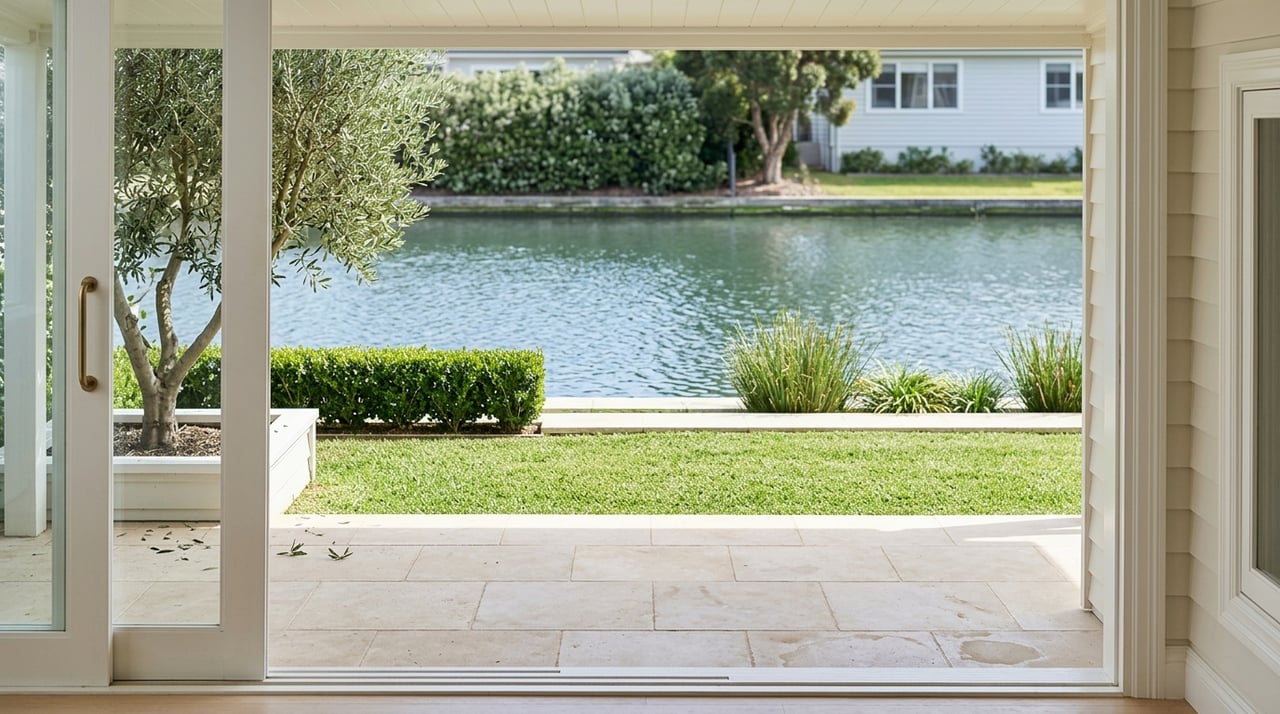
Imagine stepping out with your morning coffee and slipping a kayak into calm, blue water just beyond your patio. In Foster City, that daydream can be your daily routine. The city was planned around a lagoon network that makes waterfront living as practical as it is peaceful. In this guide, you’ll learn what life on the water really looks like, plus the key details on levee protection, flood maps and insurance, water quality, HOA rules, and maintenance so you can buy with confidence. Let’s dive in.
Foster City waterfront lifestyle
Foster City’s engineered lagoon system spans more than 200 acres and winds about five miles through the community, creating a unique waterside backdrop to everyday life. You see neighbors paddling in the morning, sailboats catching afternoon breezes, and electric boats heading to sunset meetups. The lagoon is shallow on average, and the City manages seasonal water levels to support recreation and safety. You feel the water’s presence in the best ways: views, activity, and easy access to the outdoors.
- Learn more about lagoon scale and amenities in the City’s budget overview: the lagoon covers more than 200 acres and is a central civic asset. City budget overview with lagoon stats
Boats, ramps, and rules
The lagoon is managed as a recreational resource, which keeps it serene and family friendly. Kayaks, stand‑up paddleboards, small sailboats, and electric boats are common. Gas and diesel motors are not allowed, and the City posts speed, registration, and life‑jacket rules along with public launch points at Boat Park on Bounty Drive and Leo J. Ryan Park. You can review current rules and launch details on the City’s page for water activities, ramps, and boater guidance.
Trails and community events
The levee and Bay Trail loop is a daily amenity for walks, runs, and cycling, with views across the Bay and new overlooks after recent upgrades. Explore route ideas and the general layout on the Foster City Lagoon trail listing. Leo J. Ryan Park hosts seasonal concerts and family events that bring the shoreline to life. On event days, you can expect more activity on the water and around the parks.
Daily rhythms and privacy
Mornings are calm and ideal for paddles or dog walks, while afternoons can be breezier. Waterfront yards often open to the lagoon or nearby paths, which is part of the charm and community feel. It also means you should weigh backyard layout and screening for privacy. Visiting at different times of day helps you understand wind, light, and neighborhood activity.
Flood protection and maps
Foster City completed a major Levee Improvements Project with construction milestones concluding in 2023 and final completion in February 2024. The work raised and strengthened the shoreline levee, added flood walls in key areas, and widened the trail to improve both protection and recreation. You can review the project background and timeline on the official Levee Improvements Project site. After completion, the City submitted a Letter of Map Revision to FEMA in February 2024 asking for reclassification of certain flood map panels, and that federal review can take months. The City’s FAQ explains the process and what “Zone X protected by levee” designations can mean for buyers on the levee project FAQs.
Regional planning also considers long‑term sea‑level rise in the Bay, so it is smart to treat flood risk as an address‑specific question. Until FEMA issues a final determination for specific panels, local and lender requirements can vary. The best way to confirm your property’s current status is to check the official FEMA Flood Map Service Center and review any seller documentation related to the levee work.
What buyers should check
- Look up the property’s FEMA panel and note any pending map changes.
- Ask the seller for any elevation certificates and levee project documents.
- Confirm lender requirements for flood insurance based on the current map.
Flood insurance basics
If a property is mapped in a Special Flood Hazard Area, most federally backed loans require flood insurance. If it is in a moderate‑risk zone or classified as Zone X protected by a levee, flood insurance may be optional but often still worth pricing. Private flood insurers can be competitive with the National Flood Insurance Program, and coverage terms vary. Get quotes for the exact address and building elevation so you can compare price, limits, and waiting periods.
Water quality and swimming
Foster City actively monitors lagoon water quality through its Healthy Waters, Healthy Parks program. City studies have pointed to bird sources, including Canada geese and seagulls, as contributors to elevated bacteria levels at some enclosed beaches, such as Erckenbrack. The City has taken steps like aeration, targeted mitigation, and ongoing testing. If swimming is part of your plan, check the City’s latest updates on Healthy Waters, Healthy Parks and expect some seasonal variability, especially after rainfall or during peak bird activity.
Waterfront maintenance
Living near brackish Bay water means more exposure to salt air, which can accelerate wear on metal, finishes, and mechanicals. Builders in marine environments often specify corrosion‑resistant materials like stainless fasteners, powder coatings, and heavier galvanizing, along with regular rinse and inspection schedules. It is wise to budget for shorter exterior paint cycles and extra care for gates, railings, HVAC condensers, and dock hardware. For an overview of best practices in coastal settings, see industry guidance on materials in coastal environments.
If your property has a dock, slip, or seawall, confirm who is responsible for inspections, piling replacement, and any dredging. The City’s levee work included system upgrades, but private docks and small seawalls are usually the owner’s responsibility unless your HOA states otherwise. You can preview levee features and related infrastructure on the City’s public works page, What the improved levee looks like.
HOA rules and docks
Many waterfront condos and planned communities in Foster City have HOAs that manage shared landscapes, docks, or slips. Request CC&Rs, budgets, reserve studies, dock agreements, and recent meeting minutes during early due diligence. City water rules still apply on the lagoon, including no gas or diesel motors, speed limits, registration requirements, and safe‑boating expectations. You can review current rules and locations for ramps on the City’s water activities page.
Commute and amenities
Foster City sits just east of Highway 101 at the foot of the San Mateo Bridge, which makes it convenient to San Mateo, Redwood City, and broader Peninsula job centers. The levee trail is a daily lifestyle asset, and neighborhood parks concentrate community life. Local reporting captures Foster City’s planned‑community feel, with water and paths as the main public spaces that bring people together. For a snapshot of day‑to‑day rhythms, see this feature on Foster City’s lifestyle.
Market snapshot
Foster City is an expensive Peninsula market, with typical home values often in the low seven figures. Waterfront homes can trade above neighborhood medians because of views, lot orientation, and private water access. Exact premiums vary by micro‑location, dock or slip rights, and home condition. Reviewing recent waterfront comps with your agent will help you calibrate value and strategy.
Buyer due diligence checklist
- Confirm the property’s current FEMA flood map panel and ask about any pending map revisions.
- Request elevation certificates and recent inspections for docks and seawalls.
- Get flood insurance quotes for the exact address from both NFIP and private carriers.
- Check the City’s latest water quality updates for the nearest beach or cove.
- Inspect for salt‑air wear on exterior paint, metal hardware, HVAC, and dock timbers.
- Review HOA CC&Rs, budgets, reserve studies, dock agreements, and any special assessments.
- Visit the property morning, afternoon, and on a weekend event day to gauge wind, activity, and noise.
Your next step
If waterfront living in Foster City fits your lifestyle, the right guidance will help you weigh the tradeoffs and secure the standout home. I can help you compare micro‑locations on the lagoon, review HOA and dock details, and navigate flood maps, insurance, and maintenance planning with confidence. To start a tailored search or discuss a specific property, connect with Allison T. Paulino today.
FAQs
What activities are allowed on the Foster City lagoon?
- The City permits kayaks, SUPs, small sailboats, and electric boats, with speed and registration rules. Gas and diesel motors are not allowed.
How did the levee project change flood risk and maps?
- The levee was raised and strengthened, and the City submitted a Letter of Map Revision to FEMA in February 2024; FEMA’s decision can take months, so check your parcel’s current map.
Do I need flood insurance for a Foster City waterfront home?
- If your property is in a Special Flood Hazard Area, most lenders require it; in Zone X protected by levee, insurance may be optional but worth pricing for peace of mind.
Is it safe to swim in the lagoon year‑round?
- Water quality can vary with season and bird activity; check the City’s current monitoring and advisories before swimming, especially after rainfall.
What maintenance should I expect near the water?
- Budget for faster exterior paint cycles, corrosion on metal hardware, and periodic dock or seawall inspections; use corrosion‑resistant materials where possible.
Who maintains docks and seawalls at a waterfront property?
- Private docks and small seawalls are typically the homeowner’s responsibility unless the HOA states otherwise; confirm in writing during due diligence.
Are Foster City waterfront homes more expensive than inland homes?
- They often sell at a premium for views, lot orientation, and water access, but the exact amount varies by location, condition, and dock rights; review recent comps with your agent.
