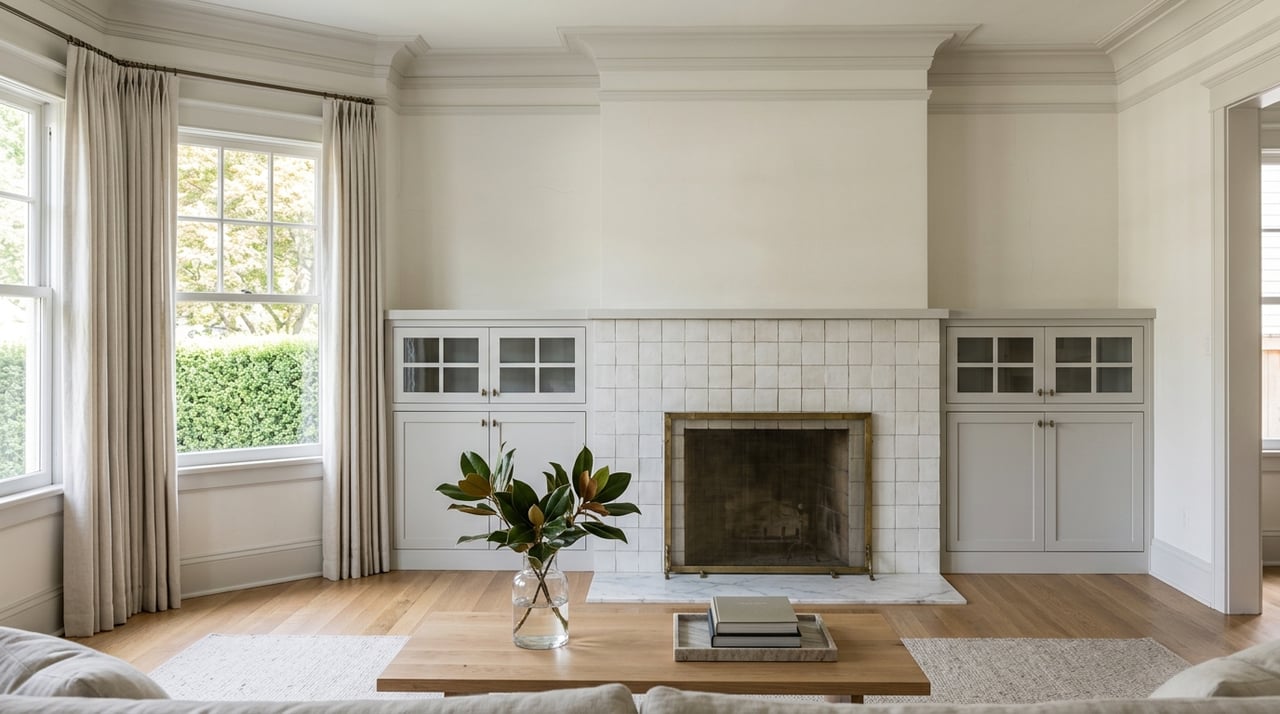
If you own a character home in Burlingame, you may feel pulled in two directions. You want the strongest possible sale, but you do not want to erase the details that made you fall in love with the home in the first place. The good news is that in a market this competitive, you usually do not need to choose between charm and value. With the right strategy, you can prepare your home to shine while keeping its architectural identity intact. Let’s dive in.
Why charm matters in Burlingame
Burlingame’s appeal is closely tied to its established residential character. The city highlights areas such as Easton Addition and Burlingame Park for their well-preserved homes, tree-lined streets, and the treasured trees and groves that shape the community feel, as described in Burlingame’s community character materials. Local historical context also points to a wide range of home styles, including English Tudor, American Bungalow, Spanish Revival, and Streamline Modern.
That context matters when you sell. Buyers looking in Burlingame are often responding not just to square footage or finishes, but to the overall feeling of the home and its setting. Original trim, window proportions, rooflines, mature landscaping, and a front elevation that still feels true to the home’s era can be part of what makes a property memorable.
It also helps that the market is moving fast. In February 2026, Redfin’s Burlingame housing market data reported a median sale price of $2,755,000, average days on market of 9, and 71.4% of homes selling above list price. In a market like that, thoughtful presentation often matters more than a complete visual overhaul.
Preserve the features that define the home
When you prepare a character home for sale, the first question should not be, “What can I replace?” It should be, “What gives this home its identity?”
The National Park Service Standards for the Treatment of Historic Properties recommend preserving the features that convey a building’s historical, cultural, or architectural value while allowing for compatible modern use. In practical terms, that means the most important visible features often deserve protection, repair, or sensitive improvement rather than removal.
Features often worth keeping
Depending on your home, that may include:
- Original wood trim and millwork
- Window shapes, divided-light patterns, and proportions
- Front doors with period-appropriate detailing
- Built-ins, fireplaces, and stair details
- Exterior siding, stucco, or masonry with defining visual character
- Mature landscaping and the relationship of the home to the street
Preserving these elements does not mean freezing the home in time. It means identifying what makes it distinct, then making updates that support rather than compete with those details.
Be careful with windows and façade changes
Windows are one of the easiest places to lose character. The National Park Service notes in its window replacement guidance that historic windows should be repaired when possible, and if replacement is necessary, street-facing windows should match the historic windows in detail and material as closely as possible.
That is especially relevant if you are deciding between repair and wholesale replacement. While new windows may sound like an easy upgrade, a mismatch in style or material can change the look of the entire front elevation. In many cases, careful repair or a visually compatible replacement is the safer move for both charm and resale presentation.
Focus updates on function and freshness
For most Burlingame character homes, the best pre-sale improvements are selective. You want the home to feel brighter, cleaner, and more functional, but not stripped down into something generic.
The National Park Service supports sensitive upgrades to mechanical, electrical, plumbing, and code-related systems when done in a compatible way. That makes behind-the-scenes modernization a smart place to invest if your home has dated systems that could concern buyers.
Updates that often make sense
A practical prep plan may include:
- Fresh interior and exterior paint in appropriate, understated colors
- Repaired trim, hardware, and small finish issues
- Updated lighting that improves brightness without feeling out of style
- Landscaping cleanup and pruning to highlight the home and lot
- Minor kitchen improvements rather than a full gut renovation
- Bath refreshes focused on cleanliness, lighting, and function
This kind of work helps buyers feel that the home has been cared for. It also allows the architecture to stay front and center.
Choose renovations with care
If you are deciding where to spend before listing, regional resale data can help. The 2025 Cost vs. Value Report for the San Francisco region found strong average cost recouped for garage door replacement, steel entry door replacement, manufactured stone veneer, minor midrange kitchen remodels, and fiber-cement siding replacement. By comparison, wood and vinyl window replacement showed lower average cost recouped in the same regional dataset.
These are regional averages, not guarantees for your property. Still, they support a useful pattern: targeted, visible, style-consistent improvements often make more sense than replacing distinctive original elements that contribute to the home’s character.
A simple way to prioritize spending
Before you start, sort your project ideas into three buckets:
- Preserve: Original features that define the home
- Refresh: Cosmetic work that improves presentation
- Modernize quietly: Systems or function-related updates buyers expect
That framework can help you avoid over-improving in the wrong places. In many character homes, preserving materials and improving livability creates a stronger result than trying to make the property look brand new.
Understand Burlingame review rules
In Burlingame, some exterior changes are not just design decisions. They may also involve review requirements.
According to the city’s residential design review information, all new houses, most second-story additions, and some single-story additions require Planning Commission design review. The city states that projects are reviewed against the style of the existing home and the character of the surrounding neighborhood. A landscape plan is also required for design-review projects, and new landscape trees may be required.
If you are considering more than light cosmetic prep before listing, it is worth checking whether your plans trigger review. Timing matters, especially in a fast market. In many cases, simpler, reversible pre-sale improvements are easier to execute and less likely to create delays.
Historic-resource context may matter downtown
For some properties near Burlingame’s downtown historic-resources context, there may be additional opportunities or considerations. The city’s Downtown Specific Plan encourages historic preservation and adaptive reuse to maintain downtown’s unique ambience. It also references tools such as a voluntary Downtown Burlingame Register of Historic Resources, reduced permit fees for historic renovation, design exceptions in the design-review process, and façade-restoration grants.
Not every seller will need this level of detail, but it is a useful reminder that preservation-minded work is part of the local planning framework. If your home falls within a context where these rules or programs apply, it can shape how you approach improvements before going to market.
Stage the home so details stand out
Once the house is repaired and refreshed, staging becomes the bridge between charm and broad buyer appeal. The goal is not to turn a character home into a generic one. The goal is to help buyers see how beautifully it lives today.
The National Association of Realtors 2025 staging report found that 83% of buyers’ agents said staging makes it easier for buyers to visualize a property as a future home. The report also found that 29% of agents said staged homes saw a 1% to 10% increase in dollar value offered, while 49% of sellers’ agents reported faster sales.
Where staging matters most
NAR data also found that the rooms buyers’ agents considered most important to stage were:
- Living room
- Primary bedroom
- Kitchen
In a Burlingame character home, those spaces often contain some of the most memorable details. Good staging should support those details, not block them.
How to stage without losing personality
A strong staging plan usually includes:
- Decluttering so trim, windows, and room proportions are easy to see
- Deep cleaning throughout the home
- Neutral, scaled furnishings that fit the architecture
- Layered lighting to brighten older rooms
- Thoughtful curb appeal improvements to frame the exterior
- Minimal decor so original materials and sightlines remain visible
This approach aligns well with how buyers search today. According to NAR’s staging research and the related 2025 Profile of Home Staging report, photos, physical staging, videos, and virtual tours are all highly important to buyers’ agents’ clients. When your home is calm, bright, and uncluttered, its character reads more clearly both online and in person.
Market the home with story and precision
Selling a Burlingame character home is not just about prep work. It is also about presentation. Buyers should understand what makes your home special from the first photo to the final showing.
That means your marketing should highlight the architecture, the setting, and the livability of the home today. If your property has original detailing, mature landscaping, distinctive street presence, or carefully updated systems, those points should be clearly communicated through listing copy, photography, video, and digital exposure.
In a competitive market, presentation can shape who shows up and how they feel when they walk through the door. A polished launch built around the home’s authentic strengths is often more effective than trying to force the property into a trend that does not fit.
A practical pre-listing approach
If you want a simple plan, start here:
- Identify the original features that define the home’s character.
- Repair rather than replace wherever visual integrity matters.
- Invest in light updates that improve function, brightness, and condition.
- Confirm whether any larger exterior work may require city review.
- Stage key rooms so the architecture remains visible.
- Launch with premium visuals and a clear story about the home.
That balanced approach fits both Burlingame’s preservation-minded setting and the reality of today’s market. You do not need to erase history to create buyer excitement. In many cases, your home’s charm is part of the value buyers are already looking for.
When you are ready to prepare your Burlingame home for sale, Allison T. Paulino can help you build a thoughtful strategy that protects character, elevates presentation, and positions your home to stand out in the market.
FAQs
What original features should you preserve when selling a character home in Burlingame?
- You should usually preserve the features that define the home’s architectural identity, such as original trim, window proportions, front-door details, built-ins, fireplaces, and distinctive exterior materials whenever possible.
What updates help a Burlingame character home sell without making it feel generic?
- Light, style-consistent improvements often make the most sense, including fresh paint, trim repair, updated lighting, landscaping cleanup, and selective kitchen or bath refreshes that improve function and presentation.
Do window replacements hurt the charm of a Burlingame character home?
- They can if the replacement changes the original look of the home, which is why National Park Service guidance recommends repairing historic windows when possible and matching historic detail closely when replacement is necessary.
When do Burlingame design-review rules matter for pre-sale improvements?
- They matter when your project goes beyond light cosmetic work, since the city requires design review for all new houses, most second-story additions, and some single-story additions, with review based on the style of the existing home and neighborhood character.
Is staging worth it for a Burlingame character home?
- Yes, staging can help buyers better visualize the home, and national 2025 NAR research found that staged homes can support faster sales and, in some cases, stronger offers.
What rooms should you stage first in a Burlingame character home?
- The living room, primary bedroom, and kitchen are the top rooms to prioritize based on NAR staging research, especially because they often showcase the home’s most important architectural and lifestyle features.
