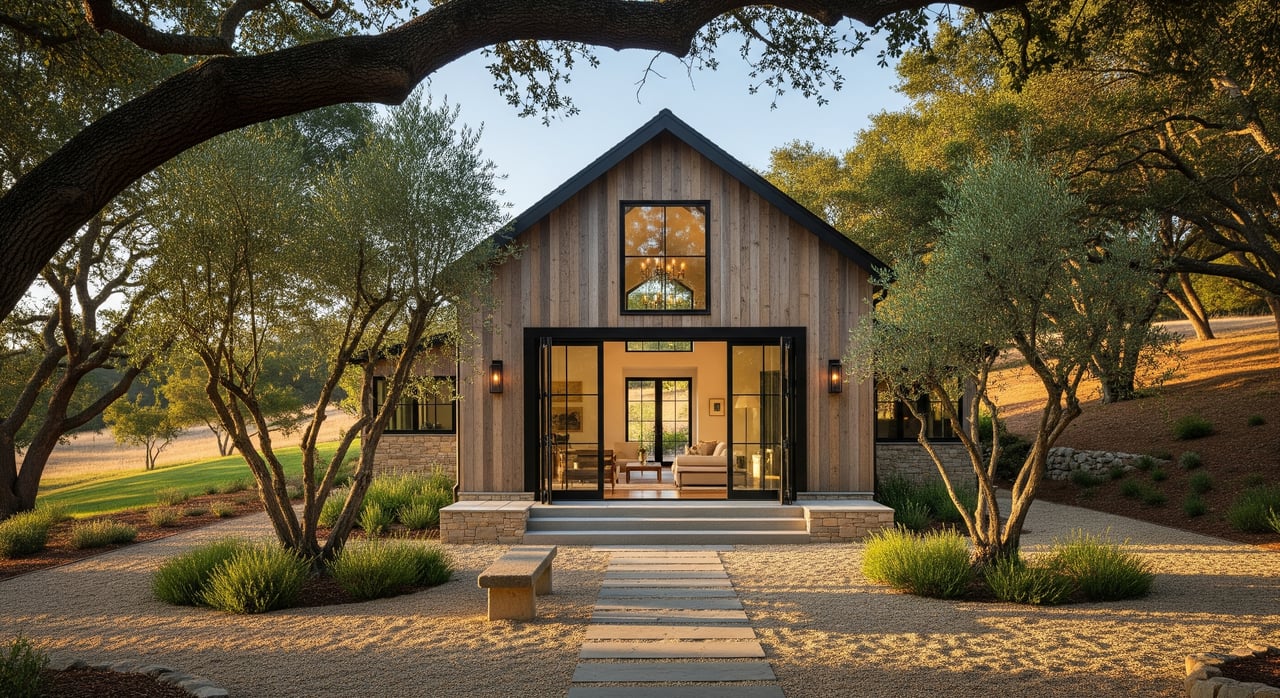
Thinking about turning your Woodside barn into a permitted ADU so family can stay close or to create a steady rental stream? The idea is exciting, but the financing can be complex in a town known for septic systems, design review, and wildfire rules. The good news is you have several ways to fund the work if you plan carefully. In this guide, you’ll compare loan types, learn how lenders treat ADU rent and value in Woodside, and map out a step-by-step plan. Let’s dive in.
What makes Woodside ADU financing unique
Jurisdiction and permits
If your property is inside the Town of Woodside, the Town’s Planning and Building Department reviews and issues ADU permits. If you are in unincorporated San Mateo County, the County handles them. Lenders want a clear permit path and often want issued permits before releasing major construction funds or converting to permanent financing. Confirm your jurisdiction early so your financing timeline matches permitting.
Size and design review
California ADU law sets baseline allowances that limit local barriers, but Woodside’s local design, setback, and scenic controls still shape placement and realistic size. Many lenders will not count projected rent or value from an ADU unless the unit is legal and permitted under local code. Design review timelines can affect when you close on a construction or renovation loan.
Septic, well, and utilities
Many Woodside parcels use private wells and septic systems. San Mateo County Environmental Health must confirm septic capacity for an additional dwelling unit, and some sites require system upgrades or a new system. These items add cost and time, which lenders need in your budget and contingency. Early septic and well evaluations are essential for feasibility and loan sizing.
Wildfire and environmental rules
Woodside is a high wildfire risk area. You may need defensible space, specific materials, driveway access standards, or sprinklers depending on the project. Tree protection, steep slopes, and open space rules can further influence your building envelope and site work. These factors raise costs and affect draw schedules, contingency reserves, and lender approvals.
Historic or scenic considerations
If the barn has historic elements or sits in a scenic corridor, exterior changes may face added review. Expect more time and possible design limitations. Build that into your financing timeline so your loan does not expire before your plans are approved.
Tax assessment and why lenders care
New construction can trigger reassessment of the improved portion of your property for taxes. The San Mateo County Assessor determines how much is reassessed. Lenders want the full project scope, including tax impacts, because it affects your monthly payments and debt-to-income ratio.
Your financing options, compared
Cash-out refinance
A cash-out refi replaces your first mortgage with a larger one and gives you the difference in cash. Lenders often cap loan-to-value for owner-occupied homes around 75 to 80 percent, and your new appraisal sets the value. If the ADU is not built, the appraisal reflects current conditions unless you use a renovation product that allows an after-repair value.
Pros:
- Often the lowest long-term rate among options.
- One loan and one payment.
- Can deliver larger proceeds if you have strong equity.
Cons:
- You replace your entire first mortgage with new closing costs.
- If the ADU is not built, the loan is based on present value unless using a renovation refi.
- May be limited by high-balance or portfolio caps in a high-cost area like San Mateo County.
Best for: Owners with strong equity who want low fixed rates and are comfortable refinancing the whole mortgage. Works well if you can use a renovation refi that sizes the loan to after-repair value.
HELOC or fixed-rate second mortgage
A HELOC is a variable-rate line of credit in second position, while a home equity loan is a fixed-rate second lien. Lenders typically limit combined loan-to-value to about 80 to 90 percent, depending on credit and product. Some HELOCs let you draw funds as needed for phased work.
Pros:
- Faster to close than a full refinance.
- Flexible draws, and you pay interest only on what you use.
- Lower upfront costs than a refi in many cases.
Cons:
- Variable rates add payment risk on a HELOC.
- Second-lien status can complicate future refinancing plans.
- Some lenders limit using HELOC funds for structural conversions, so confirm your use case.
Best for: Owners with ample equity who want speed and flexibility without touching a favorable first mortgage.
Construction-to-permanent or renovation loans
These loans fund construction with interest-only draws, then convert to a permanent mortgage once work is complete. Renovation products can base your loan on after-repair value when you provide plans, permits, and contractor bids.
Pros:
- Built for staged construction with inspections and draw schedules.
- Can convert to permanent financing in one process.
- Often allows ARV-based sizing, helpful when an ADU materially increases value.
Cons:
- More documentation, inspections, and oversight.
- Construction-period interest can be higher.
- Lenders may be conservative about counting projected ADU rent for qualification.
Best for: Structural barn conversions that require foundation, utility, septic, and site work. Ideal when you want a single lender to handle construction and permanent phases.
Other routes to consider
- Renovation-refi programs: Agency renovation programs can include project costs in a new fixed-rate mortgage up to program limits, often using ARV.
- Portfolio lenders or local credit unions: May offer flexible terms for unique projects like barn conversions or historic properties. Rates and terms vary.
- Cash or private funds: Useful as a bridge if other options are not available, but usually more expensive.
How lenders count ADU rent and value
Rental income basics
Lenders generally require a signed lease, recent rent receipts, or an appraiser’s market rent schedule to count ADU income. If you do not have a tenant yet, many lenders will accept an appraiser’s estimate but will discount it for vacancy and expenses. A common practice is to credit about 75 percent of gross market rent toward qualifying, though exact treatment varies by product.
Appraisals and after-repair value
Appraisers will value your property as it exists on the appraisal date unless you use a renovation or construction product that permits an ARV appraisal. In that case, you provide permitted plans and contractor bids so the appraiser can value the completed project. Many standard mortgages will not include ADU value unless the ADU is legal and permitted.
Floor area and code limits
State law sets a floor of what must be allowed, but Woodside’s local rules, setbacks, heights, and scenic controls determine the realistic size of a barn conversion. Lenders rely on permitted plans. If your design exceeds local code, lenders will size to what is legal and approved.
Reserves, DTI, and occupancy
Increasing your loan balance affects your debt-to-income ratio and cash reserve requirements. If the lender accepts ADU rent, it can offset these impacts. If you will occupy the main home and rent the ADU, your financing is usually treated as owner-occupied, which often carries better pricing than investor classification.
A practical Woodside game plan
Early verification checklist
- Confirm whether you are in the Town of Woodside or unincorporated San Mateo County.
- Review local ADU rules, including any scenic, historic, riparian, or slope overlays.
- Order septic and well evaluations to confirm capacity and upgrade needs.
- Consult the fire authority for defensible space, materials, driveway access, and possible sprinklers.
- Obtain detailed contractor bids with line items for site work, utilities, septic or well, foundation, framing, finishes, and contingencies.
- Contact the San Mateo County Assessor about potential reassessment of the improved portion of your property.
Choosing your financing path
- Lowest long-term rate and comfortable replacing your first mortgage: consider a cash-out or renovation refinance that can use ARV.
- Want to keep your first mortgage and need flexible draws: consider a HELOC or fixed second mortgage.
- Structural conversion with septic or site work that needs staged draws and inspections: consider construction-to-perm or a renovation loan that supports ARV.
- Need to qualify with ADU rent: plan for an appraiser rent schedule or a signed lease and expect conservative income credit.
Documents lenders usually request
- Current mortgage statements, insurance policy, and property tax bill.
- Contractor license, insurance, detailed bids or contracts, schedule, and lien waiver process.
- Plans and permits, or proof of permit submittal if allowed by the program.
- Septic and well feasibility reports if applicable.
- Appraisal or ARV appraisal package with plans and bids.
- Lease agreements or rent history if counting income.
Timeline to expect
- Permit review and approval: several weeks to months, and design or environmental review in Woodside can add time.
- Construction: several months depending on scope, with utility and septic upgrades often extending duration.
- Loans: HELOC or second lien can close in 2 to 6 weeks, cash-out refi often takes 30 to 60 days, and construction-to-perm or renovation loans commonly take 45 to 90 days due to plan and budget reviews.
Common risks and how to de-risk
- Permit delays: schedule pre-application meetings with planning and environmental health, and build time into your rate lock and loan timeline.
- Cost overruns: include a 10 to 20 percent contingency and consider fixed-price contracts with experienced barn-conversion contractors.
- Appraisal shortfall: use lenders and appraisers familiar with Woodside comparables, or choose a renovation loan that underwrites to ARV.
- Septic infeasibility: test early to avoid sunk design costs and pivot if expansion is not possible.
- Wildfire compliance costs: confirm requirements early and budget for materials, vegetation management, and access improvements.
Resources and who to contact
- Town of Woodside Planning & Building Department for ADU rules, design review, setbacks, and permits.
- San Mateo County Environmental Health for septic and well capacity reviews and approvals.
- California Department of Housing and Community Development for statewide ADU guidance and fact sheets.
- Fannie Mae and Freddie Mac selling guides for rental income treatment and renovation mortgage details.
- HUD/FHA for FHA 203(k) renovation program information.
- Cal Fire or your local fire protection district for wildfire and defensible space requirements.
- Local lenders and mortgage brokers with San Mateo County construction and renovation experience for current program limits and pricing.
- San Mateo County Assessor’s Office for property tax reassessment policies on new improvements.
Converting a Woodside barn into a legal ADU can unlock flexibility, multi-generational living, and potential rental income. The key is to align your financing with permitting, septic and site realities, and a realistic construction scope. If you want a tailored plan that fits your property and goals, Work With Allison at Paulino Legacy.
FAQs
What financing works best for a structural barn conversion in Woodside?
- Construction-to-permanent or a renovation loan is usually best because it supports staged draws, inspections, and after-repair value when you provide plans, permits, and bids.
Can lenders count projected ADU rent if I do not have a tenant yet?
- Many lenders will use an appraiser’s market rent schedule and then discount that rent, often to about 75 percent of gross, to account for vacancy and expenses.
Do I need septic approval before I apply for a loan?
- You can begin discussions early, but lenders typically want septic and well feasibility confirmed and included in your budget and contingency before funding construction draws.
Will a cash-out refinance use the future value of my ADU?
- Not unless you use a renovation refinance that permits an after-repair value approach; a standard cash-out refi uses current value.
How long does a construction-to-perm loan take to close in Woodside?
- Plan for 45 to 90 days because lenders review permits, plans, bids, and draw schedules, and Woodside design review can extend timelines.
Will my property taxes increase after I add an ADU?
- The County can reassess the improved portion of your property, so expect a tax increase tied to new construction rather than a full reassessment of the entire parcel.
