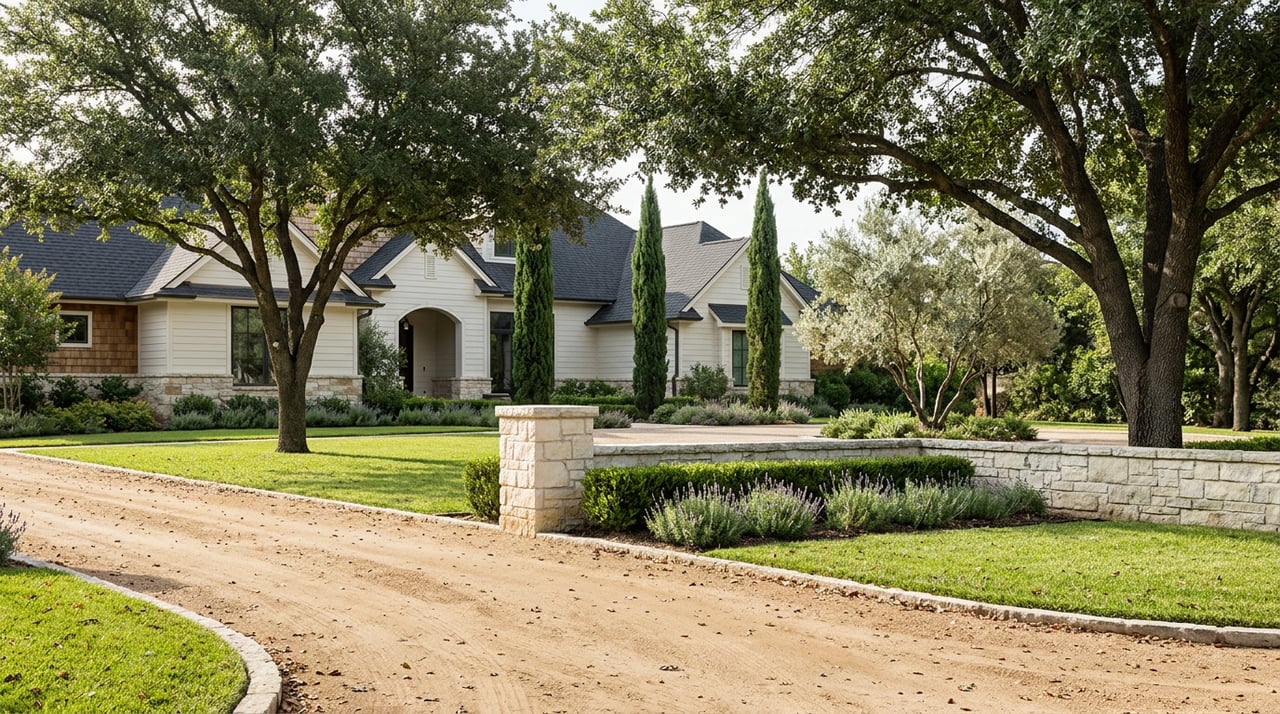
If you picture rolling oaks, privacy, and room for horses, buying acreage in Woodside can be a dream. It also comes with unique rules, inspections, and ongoing costs that are different from a suburban home. With the right plan, you can protect your investment and avoid costly surprises. In this guide, you’ll learn what to check for zoning, water and septic, access, wildfire, and insurance so you can move forward with confidence. Let’s dive in.
Zoning and permitted uses
Woodside is a low-density, large-lot town with multiple residential districts that emphasize rural character and open space. Minimum lot sizes range from roughly half an acre to several acres, and those standards shape setbacks, buildable areas, and design review. Start by confirming the parcel’s zoning district and whether your plans trigger review by the Architectural Site Review Board or Planning Commission. You can find zoning basics and contacts on the Town’s planning pages in the Quick Links.
Equestrian and animal-keeping
If you plan to keep horses or other animals, the Town ties allowances to parcel size and zoning. As a general guide, parcels of at least one acre may allow equestrian uses, with typical limits such as one equine per one-half acre, plus setbacks for barns and paddocks. Always confirm the exact rules for the specific district and accessory structures in the Town’s code. See the Town’s animal-keeping tables and setbacks in the accessory-uses document before you write an offer.
Water and wells
Some Woodside homes connect to public water, while others rely on private or small mutual systems. Portions of Woodside fall within California Water Service’s Bear Gulch district, but coverage is not universal, so you should verify service at the address level. If the property is on a private well, request well logs, a recent pump test, and lab-confirmed water quality results during due diligence. You can find utility context for local service territories through BAWSCA’s Bear Gulch profile.
Septic and wastewater
Many properties in Woodside and unincorporated San Mateo County use onsite wastewater treatment systems. The County has an OWTS Ordinance and Onsite Systems Manual that set standards, permitting, and review for building projects that affect septic or wells. You should obtain the septic permit records, pumping history, and a current inspection report and confirm that your planned additions fit the system’s capacity. Review the County’s OWTS rules in the ordinance document.
What to request from the seller or order yourself:
- Current septic inspection and pump-out report, plus past maintenance records.
- Map of tank and leach field location, including reserve area if any.
- If the system is old or marginal, a feasibility study for repair or replacement.
Power, internet, and waste
Electricity in Woodside is provided by the investor-owned utility, with many households enrolled in Peninsula Clean Energy for generation. Service quality and outage risk vary by exact location. Broadband can range from cable or fiber to fixed wireless, 5G, or satellite, and availability is address-specific. Check providers and speeds early, especially if you work from home or plan to stream security systems.
Road access and easements
Acreage often means private drives or private roads. These are usually governed by recorded easements and road-maintenance agreements that spell out who pays for grading, resurfacing, culverts, and storm repairs. The Town’s reviews frequently reference private-road agreements when projects involve shared access, so it is essential to obtain copies and understand your obligations. See an example of how private-road issues appear in Town records in these planning minutes.
Key questions to ask:
- Is the driveway or road private, and what are the cost-sharing terms?
- Are there recorded utility easements or trail or conservation easements on title?
- Who maintains drainage, vegetation clearance, and winter repairs?
For a primer on reviewing easements and restrictions, plan to order a preliminary title report and read all recorded documents. This early step helps surface rights-of-way, CC&Rs, and any conservation or trail easements that remain with the land. A simple overview of the process is outlined in this advisory on title and disclosures.
Wildfire readiness and AB 38
Woodside sits in the wildland-urban interface where wildfire risk is a real factor. California law (AB 38) requires certain sellers in mapped high or very-high fire hazard areas to provide defensible-space documentation or an inspection when they sell. Locally, the Woodside Fire Protection District runs the inspection and compliance process, which often ties to escrow timelines. Learn how AB 38 inspections work and what to expect from the Woodside Fire Protection District.
Plan for:
- Vegetation management and annual defensible-space maintenance.
- Possible home-hardening upgrades that meet adopted fire code standards.
- Insurance underwriting that considers slope, access, hydrants, and building materials.
Slope, geotech, and fault lines
Parts of Woodside overlap steep-slope zones and Alquist-Priolo fault study areas. These sites often require geotechnical and soils reports before you can build, grade, or add retaining walls. If your buildable area is sloped or near a mapped hazard, plan for additional studies and possible siting constraints. The Town’s Natural Hazards and Safety Element outlines these risks and typical requirements in more detail in its policy document.
Geotech due diligence to consider:
- Engage a geotechnical engineer if you plan additions, grading, or new structures.
- Review any prior soils or fault studies provided by the seller.
- Confirm drainage patterns and stormwater controls for roads, paddocks, and barns.
Creeks and riparian areas
If the property includes a stream or riparian corridor, you may face extra creek setbacks and permit steps for bridges, culverts, or structures nearby. Even if the parcel is not in a FEMA floodplain, small waterways can limit where you place barns, paddocks, and arenas. Expect referrals to water-resource or wildlife authorities for work close to creeks, and build those timelines into your plan.
Operating costs to expect
Acreage living carries recurring responsibilities that you should budget for from day one. Common line items include septic pumping and potential upgrades, private-well service and water treatment, fencing and pasture upkeep, and private-road grading and repairs. You should also plan for tree care, brush clearance for fire safety, and manure management if you keep animals. San Mateo County requires certified contractors for certain septic work and inspections, which you can confirm through Environmental Health’s land use page.
Insurance and insurability
Wildfire exposure can affect your homeowner’s insurance options and premium. Some buyers rely on a layered approach when the voluntary market is limited, such as the California FAIR Plan paired with a Difference-in-Conditions policy. Because underwriting depends on parcel details like hydrant proximity, defensible space, and roof materials, start quotes early in contingency. For consumer guidance on shopping coverage in higher-risk areas, see the California Department of Insurance’s tips for finding homeowners insurance.
Equestrian planning on site
If you plan to stable horses at home, confirm what structures and paddocks are permitted on your parcel and where they can be sited. Budget for water demand, manure storage and removal, and vector and odor controls that meet local standards. If you are not ready for full-time on-site care, you will find a strong local riding community and nearby options like The Horse Park at Woodside for training and events. For on-site facilities, your animal-keeping allowances and setbacks will come back to your exact zoning district, so verify them before committing to a design.
Your due diligence plan
Move critical checks to the front of your timeline so you can act quickly and reduce risk.
High-priority checks (pre-offer or right after acceptance):
- Verify the zoning district, setbacks, and any overlays with the Town’s planning counter.
- Confirm water service: public connection status or private well. Request well logs, a pump test, and lab water-quality results.
- Gather septic permit and service records and plan an OWTS inspection if anything is unclear.
- Ask for defensible-space documentation and any AB 38 inspection reports.
- Order a preliminary title report to surface easements, road agreements, and CC&Rs.
- Start insurance quotes early to test availability and cost based on the property’s risk profile.
- Confirm broadband options and power reliability at the exact address.
Inspections and reports to order (as needed):
- Full septic inspection and pump-out report.
- Well yield and water-quality lab analysis.
- Wildfire and defensible-space inspection through the local fire district.
- Geotechnical and soils reports if the site is sloped, near a fault, or needs grading.
- Title review focused on easements, encumbrances, and any maintenance agreements.
Professionals to involve early:
- Local buyer’s agent experienced with Woodside acreage.
- Town planning staff or a land-use planner for zoning and permit strategy.
- Title officer for easement and CC&R review.
- Certified septic inspector and licensed well contractor or hydrogeologist.
- Geotechnical engineer and, if needed, a fire-mitigation consultant.
- Insurance broker with experience in California wildfire markets.
- Arborist for oak and tree assessments and, for horse buyers, an equine facility consultant.
Local resources
- Town of Woodside Planning and Zoning: start with contacts and applications in the Town’s Quick Links.
- San Mateo County Environmental Health (OWTS and wells): see the Land Use page for septic and well guidance and certified providers.
- Woodside Fire Protection District: AB 38 defensible-space inspection details here.
- Equestrian community: The Horse Park at Woodside is a regional training and events hub you can explore during your search.
- Title and easement primer: request a preliminary title report early; this advisory overview shows typical disclosures to expect.
Ready to buy acreage in Woodside with clarity and confidence? From zoning and animal-keeping to wells, septic, access, wildfire, and insurance, a focused plan protects your time and budget. If you want a local, high-touch partner to guide each step and coordinate the right experts, connect with Allison T. Paulino for a tailored strategy.
FAQs
What zoning rules affect horses in Woodside?
- Woodside ties animal-keeping to parcel size and zoning; as a guide, at least one acre is typically required and equine counts scale with lot size, with barn and paddock setbacks governed by the Town’s accessory-use rules.
How can I tell if a Woodside property has public water or a well?
- Ask the seller and verify with utility records; parts of Woodside are in California Water Service’s Bear Gulch district, but many homes use private wells, so request well logs, a pump test, and water-quality results during due diligence.
What should I know about septic systems in San Mateo County?
- Many properties use onsite wastewater treatment systems that must meet County standards; obtain permits and service records, and plan a certified septic inspection if you are adding bedrooms or suspect capacity limits.
How does AB 38 change my Woodside purchase timeline?
- If the home is in a mapped high or very-high fire hazard area, sellers must provide defensible-space documentation or an inspection, which the Woodside Fire Protection District coordinates and often ties to escrow.
Can wildfire risk raise my homeowners insurance costs?
- Yes; underwriting in higher-risk areas depends on site factors like hydrant proximity, access, slope, construction materials, and defensible space, so start quotes early and discuss FAIR Plan options with an experienced broker.
Why do private road maintenance agreements matter?
- They assign cost-sharing and upkeep duties for shared drives and roads; reviewing recorded agreements helps you budget for grading, resurfacing, culvert work, and vegetation clearance over time.
